The hum of a generator can quickly turn a peaceful campsite into a headache, or a quiet neighborhood during a power outage into a noisy mess. If you've ever wrestled with a roaring conventional generator, you know the frustration. That's precisely why discerning individuals are increasingly turning to quiet inverter generators – portable powerhouses designed to deliver clean, efficient electricity without the disruptive racket. Whether you're planning an off-grid adventure, prepping for an emergency, or powering tools on a job site, finding the best quiet inverter generators for specific needs can make all the difference.
These aren't your grandpa's rumbling beasts. Modern inverter generators operate at noise levels similar to a normal conversation, typically between 50 to 60 decibels. They're engineered with advanced electronics to provide stable, "clean" power that’s safe for even your most sensitive devices, like laptops and smartphones. Gone are the days of constant full-throttle noise; inverter generators smartly adjust their engine speed to match the power demand, saving fuel and your sanity.
At a Glance: Key Takeaways
- Noise Level is Key: Look for 50-60 dB operation, comparable to a quiet dishwasher or normal conversation.
- Clean Power Matters: Inverters provide stable electricity, crucial for sensitive electronics.
- Fuel Efficiency: "Eco-mode" adjusts engine speed to demand, extending runtime and saving gas.
- Portability: Many units are under 50 lbs, with handles and wheels for easy transport.
- Safety First: Essential features include CO detection, low-oil shutdown, and overload protection.
- Matching Power to Need: From 1,000 watts for basic camping to 9,000+ watts for significant home backup.
- Dual-Fuel Options: Propane offers longer shelf life and cleaner burning than gasoline.
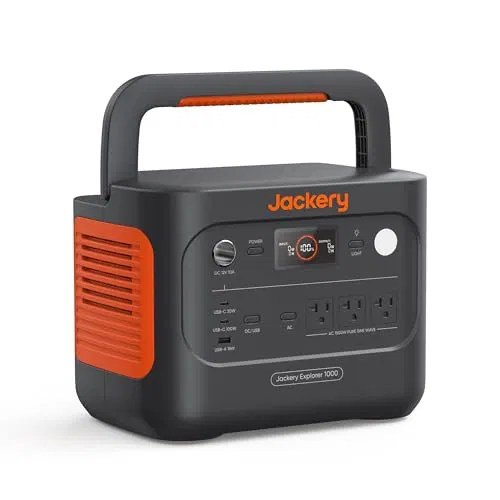
- Solar Alternatives: For truly silent, emission-free power, consider a portable power station.
What Makes a Generator Whisper-Quiet? The Inverter Advantage
Traditional generators are workhorses, no doubt, but they’re not known for their subtlety. They typically run at a constant, high RPM (around 3600), regardless of how much power you actually need. This brute-force approach generates a lot of noise, wastes fuel, and produces "dirty" power that can damage delicate electronics.
Inverter generators, on the other hand, are designed with finesse. They convert raw DC power into AC power through a multi-step process, creating a much cleaner sine wave. This stable output is crucial for powering everything from your smart TV to medical devices. But the real game-changer for your ears and wallet is their ability to adapt.
Many models feature an "eco-mode" or "economy throttle" that automatically adjusts the engine speed based on the load. Only need a little juice for your phone charger? The engine idles down, becoming significantly quieter and sipping fuel. Plug in a microwave, and it revs up just enough to meet the demand. This intelligent operation makes them up to 50% quieter and far more fuel-efficient than conventional models, often running 8-10 hours on a single gallon of gas. Add sound-dampening enclosures and specialized mufflers, and you have a truly quiet machine.
Why Go Quiet? More Than Just Peace and Quiet
Beyond the obvious benefit of not having to shout over your power source, opting for a quiet inverter generator brings a host of advantages:
- Neighborhood Harmony: Whether it's a campsite, a tailgate party, or a power outage at home, a quiet generator won't disturb your neighbors or fellow campers.
- Comfort & Enjoyment: Imagine being able to have a normal conversation, listen to music, or even sleep undisturbed while your appliances hum along.
- Electronics Protection: The clean, stable power output prevents surges and fluctuations that can fry sensitive gadgets.
- Fuel Savings: Adjustable engine speed means less wasted fuel, saving you money in the long run.
- Extended Runtime: Coupled with better fuel efficiency, you get longer operation times without constant refueling.
- Increased Portability: Many quiet inverters are lighter and more compact than their traditional counterparts, making them easier to transport and store.
Decoding Your Power Needs: Essential Features to Prioritize
Before you dive into specific models, it’s vital to understand what features truly matter for your unique situation.
Power Output: How Many Watts Do You Really Need?
This is perhaps the most critical factor. Generators are rated by two numbers: starting watts (the brief surge of power needed to start motor-driven appliances like refrigerators or AC units) and running watts (the continuous power needed to keep them operating).
- 1,000-2,000 Watts: Ideal for basic camping, tailgating, charging phones, running a few lights, and small appliances.
- 2,000-3,500 Watts: Good for RVs (especially with smaller AC units), moderate camping, or powering essential home items during an outage (fridge, lights, fan, TV).
- 3,500-5,000 Watts: Can handle larger RVs with AC, more extensive home backup (fridge, freezer, furnace fan, TV, lights, microwave), or small job site tools.
- 5,000+ Watts: Suitable for whole-home backup (with transfer switch), multiple major appliances running concurrently, or heavy-duty job site equipment.
Pro Tip: Check the wattage labels on your appliances. List everything you want to run simultaneously, then add up the running watts. For items with motors, identify their starting wattage and ensure your generator can handle the largest starting load.
Noise Level: Listening for Decibels
As the name suggests, "quiet" is paramount. A good quiet inverter generator will boast noise levels between 50 to 60 decibels (dBA) at a certain distance (usually 23 feet) and load (e.g., 25% or 50%). For context:
- 30 dBA: Whisper
- 50 dBA: Refrigerator hum, quiet conversation
- 60 dBA: Normal conversation, air conditioner
- 70 dBA: Vacuum cleaner, busy street
Aim for the lowest dBA you can find within your budget and power needs.
Fuel Type & Efficiency: Gas, Propane, or Both?
Most inverter generators run on gasoline. However, dual-fuel models offer the flexibility of running on either gasoline or propane.
- Gasoline: Widely available, typically offers slightly higher power output per gallon.
- Propane: Cleaner burning (less carbon buildup), longer shelf life, easier storage, and often more stable pricing. Excellent for long-term storage or emergencies where gas might be scarce.
- Tank Capacity: Affects runtime. Smaller units might have 1.18-gallon tanks, while larger ones can exceed 3 gallons, offering 10-18 hours of runtime on economy mode.
- Solar Generators: These "portable power stations" are a growing alternative. They are completely silent, produce zero emissions, and can be recharged via solar panels. While their continuous output is generally lower than fuel-powered generators, they are perfect for truly silent, eco-friendly power needs.
Portability: Haul It or Roll It?
Consider weight, dimensions, and ergonomic features.
- Lightweight (<50 lbs): Easily carried by one person, often with a single handle. Perfect for quick trips.
- Medium (50-100 lbs): May require two people to lift, but often include wheels and telescoping handles, making them easy to roll.
- Heavy (>100 lbs): Typically reserved for higher wattage units, almost always include robust wheel kits.
Safety Features: Non-Negotiables for Peace of Mind
Never compromise on safety. Look for:
- Carbon Monoxide (CO) Detection/Shutdown: Absolutely critical. CO is an odorless, colorless, deadly gas. A sensor that automatically shuts down the generator if CO levels become unsafe is a lifesaver.
- Low Oil Shutdown: Prevents engine damage by turning off the unit if oil levels drop too low.
- Overload Protection: Shuts off the generator if too many appliances are drawing power, preventing damage to both the generator and your devices.
- Fuel Shutoff: Allows the engine to run out of fuel in the carburetor, preventing stale fuel issues during storage.
Additional Features: The Icing on the Cake
- Parallel Capability: Allows you to link two smaller inverter generators together to double your power output. A fantastic option for flexibility.
- Electric Start/Remote Start: Push-button, switch, or key fob start for convenience, especially with larger units.
- Multiple Outlets: Standard household 120V AC outlets, 30A RV-ready (TT-30R) outlets, USB ports for charging devices, and sometimes even 240V outlets for heavy-duty appliances or EV charging.
- Digital Display: Provides real-time information on power output, fuel level, runtime, and maintenance alerts.
- Bluetooth Connectivity: Some models allow you to monitor and control the generator via a smartphone app.
Finding Your Perfect Match: Best Quiet Inverter Generators for Specific Needs
Now that you know what to look for, let's explore some top contenders, categorized by common usage scenarios.
For Robust Home Backup & Emergency Power
When the lights go out, you want reliable, substantial power without the noise complaint. These units offer a strong balance of output and quiet operation.
- WEN 4800-Watt Portable Inverter Generator: Often hailed as a top performer, this unit provides robust power (4800 peak watts) while remaining remarkably quiet. It’s built with a 224cc engine, features a compact design with wheels and a telescoping handle for portability, and delivers clean power with USB ports and an RV-ready TT-30R plug. Its fuel shutoff extends engine life. Expect about 7 hours of runtime on 1.9 gallons.
- WEN Quiet 6800-Watt Dual Fuel Inverter Generator: If you need even more muscle, this dual-fuel option is a powerhouse that still maintains a quiet profile. It’s surprisingly lightweight for its output, includes wheels, a telescoping handle, and offers a versatile array of outlets including USB, 120V, 240V (bonded-neutral for EVs/batteries), and RV sockets. Crucially, it has a CO shutdown sensor and fuel shutoff.
- Champion 9000-Watt Tri-Fuel Inverter Generator: For serious home backup, this Champion model is a beast. It's 50% quieter and roughly 20% lighter than traditional 9000W units. The standout feature is its tri-fuel capability (gasoline, propane, natural gas), with included hoses. It boasts an electric push-button start with Cold Start Technology, a CO Shield, and Economy Mode for efficiency. The Intelligauge monitors vital stats.
- Generac iQ3500 Portable Inverter Generator: Generac's offering prioritizes user-friendliness with a push-button starter and an easy-to-read LCD displaying power output, fuel level, and projected run time. It runs at 56 dB(A) in Eco mode and 61 dB(A) in Normal mode, offering 3500 watts of reliable power. It's heavier at 109.1 pounds but offers 20A duplex, 30A (L5-30R, adapter needed for TT-30P RV), and two USB ports.
For Comfortable Camping & RVing
Powering your RV or campsite means running appliances like air conditioners, microwaves, and lights without spoiling the tranquility of nature.
- Westinghouse iGen4500 Quiet Inverter Generator (4500W): A favorite for RVers, this unit delivers high power (4,500 watts peak) and impressive versatility. It operates at a low 52 dBA, offering up to 18 hours of runtime on a 3.4-gallon tank with Economy Mode. It features 30A, two 20A, and two USB outlets, plus a convenient remote start via key fob. While it weighs around 105 pounds without fuel, its power and features make it ideal for extended trips.
- Champion 200955 (3400W) Dual-Fuel Inverter Generator: This dual-fuel champion is perfect for RV air conditioning and larger appliances. With 3400 surge watts and 3100 running watts, it handles common RV needs comfortably and operates at 58 dBA.
- Honda EU2200i (2200-Watt Inverter Generator With CO-Minder): The gold standard for many, the Honda EU2200i is revered for its portability, rock-solid reliability, ease of use, and exceptionally low noise (48-57 dBA). It provides 2,200 peak watts and 1,800 running watts, running for an impressive 8.1 hours on a single tank. Its Honda GXR120 commercial series engine, 125V-20A duplex outlet, remote monitoring via the Honda My Generator app, and CO sensor with safety shutoff cement its legendary status. It's a premium choice for smaller RVs or parallel use. You can Learn more about quiet inverter generators like the Honda EU2200i and their advanced features.
- Yamaha EF2000iSv2: Another premium, super-quiet option, the Yamaha runs at just 51.5 dBA (at 25% load). It offers 2000 starting watts and 1600 running watts. Weighing under 45 pounds, it's incredibly portable and boasts excellent fuel economy, running up to 10.5 hours per gallon.
For Lively Tailgating & Outdoor Events
You want to power your grill, speakers, and TV without drowning out the conversation or drawing glares from nearby revelers.
- Honda EU2200i: Again, its quiet operation and portability make it a fantastic choice for tailgating. It’s powerful enough for most entertainment setups and small appliances.
- Ryobi 2300-Watt Bluetooth Inverter Generator: A modern choice for event-goers, this Ryobi model offers quiet operation and unique Bluetooth app connectivity for setup, monitoring, and even turning the generator off remotely (though not starting it). It handles work lights and various power tools, making it versatile for event setup.
- Briggs & Stratton P2200: This affordable option delivers 2200 surge watts and 1700 continuous power at 59 dBA. At 54 pounds, its compact design with a handle makes it easy to transport to any event.
For Efficient Job Sites & DIY Projects
Power tools need reliable, clean power. Quiet operation is a bonus, especially in residential areas or shared workspaces.
- WEN 4800-Watt Portable Inverter Generator: Its clean power is ideal for sensitive electronics on a job site, and its 4800 watts can handle a range of power tools. The wheels and telescoping handle also make moving it around a site much easier.
- Generac iQ3500 Portable Inverter Generator: The robust build and user-friendly interface make this a strong contender for job sites where reliable, steady power is needed for tools. Its eco mode also means less noise for those working around it.
For Truly Silent & Eco-Friendly Operation
When emissions and noise are absolutely off-limits, a solar-powered solution is the answer.
- Generac GB2000 Portable Power Station (Solar): This isn't a traditional fuel generator, but a robust solar-powered portable power station. It’s completely silent (save for minor fan noise during AC charging) and emission-free. It provides 3,200 peak and 1,600 running watts, featuring three AC, four USB, 12V DC ports, and a wireless charging pad. Weighing 43 pounds, it’s highly portable and perfect for sensitive environments or indoor use (where fuel generators are never an option).
For Budget-Friendly Choices
Quality quiet inverter generators don't always have to break the bank, especially for lighter needs.
- Pulsar 2200-Watt Dual-Fuel Quiet Inverter Generator: This is a strong budget-friendly option for those seeking dual-fuel flexibility. It offers 1,800 running watts and 2,200 peak watts, running up to 8 hours on a 1.18-gallon tank. While stated at 60 dB, some users note it might sound a bit louder than premium alternatives, but it's still far quieter than conventional models.
- Briggs & Stratton P2200: As mentioned above, it's an affordable entry point for those needing a compact, quiet generator for light use.
Maximizing Your Generator's Life: Essential Maintenance Tips
A quiet inverter generator is an investment. Proper care ensures it’s ready when you need it and performs optimally for years to come.
- Oil Checks & Changes: Check oil levels before each use. Change the oil after the first 20 hours of operation (for a new unit), then every 100 hours or annually, whichever comes first. Refer to your owner's manual for specific intervals and oil types.
- Air Filter Care: A clean air filter is crucial for engine performance and longevity. Clean or replace it every 100 hours or more frequently in dusty environments.
- Spark Plug Inspection: Inspect spark plugs annually or every 100-200 hours. Clean or replace them if they're fouled or worn.
- Regular Inspections: Periodically check for wear and tear, loose connections, or fuel leaks. Address any issues promptly.
- Exercise Your Generator: Run your generator for 20-30 minutes at least once every three months, ideally with a moderate load. This keeps parts lubricated and ensures the engine is ready to go.
- Keep it Clean: Dust, dirt, and debris can cause overheating and corrosion. Keep the generator’s exterior clean and free from obstructions.
- Load Testing: Occasionally, connect a substantial load to confirm the generator can handle its rated power output.
Safety First, Always: Crucial Operating Guidelines
Even the quietest generator demands respect. Adhering to safety protocols is non-negotiable.
- Outdoor Operation ONLY: This cannot be stressed enough. Never operate a fuel-powered generator indoors, in a garage, shed, or any partially enclosed space. Carbon monoxide (CO) is a deadly, odorless, and colorless gas. Place the generator at least 20 feet away from windows, doors, and vents of living spaces.
- Proper Ventilation: Ensure at least three feet of clearance around all sides of the generator for proper airflow and to prevent overheating. The exhaust area must always be clear.
- Electrical Safety:
- Avoid Overloading: Do not plug in more appliances than the generator can safely handle.
- Proper Connections: Use heavy-duty, outdoor-rated extension cords that are long enough and rated for the generator's output. Ensure cords are free of damage.
- Grounding: Always follow the manufacturer's instructions for grounding the generator to prevent electric shock.
- Never Backfeed: Do NOT plug your generator directly into a wall outlet (backfeeding). This can send power back into utility lines, electrocuting utility workers or neighbors. If you plan to power your home’s main electrical panel, use a professionally installed transfer switch.
- Fuel Handling Safety:
- Cool Down Before Refueling: Always turn off the generator and allow it to cool completely before adding fuel. Hot engines and spilled fuel are a dangerous combination.
- Proper Storage: Store extra fuel in approved containers in a well-ventilated area, away from living spaces, heat sources, and direct sunlight.
- Use Fresh Fuel: Stale fuel can gum up the carburetor and damage the engine. Use a fuel stabilizer if storing gasoline for extended periods, or run the carburetor dry if storing for a very long time.
- Noise Awareness: Even quiet models produce some noise. Be mindful of local noise ordinances and neighbors, especially during late hours.
- Read the Manual: Always read and understand your owner’s manual. It contains specific safety warnings and operating instructions for your model.
- Overnight Operation: Small portable fuel-powered generators are generally not safe to run overnight unmonitored due to fire risk and CO production. Standby generators are designed for continuous use, but portables are not.
Making the Smart Choice: Your Next Steps
Choosing the best quiet inverter generator for your specific needs comes down to a careful evaluation of power requirements, intended use, and desired features. Start by listing the appliances you absolutely need to power. Then, consider your budget, the importance of portability, and whether dual-fuel capability is a must-have.
Don't just chase the highest wattage or the lowest decibel rating; aim for the right balance that meets your needs without overspending or underperforming. With the right quiet inverter generator, you'll be able to enjoy clean, reliable power wherever and whenever you need it, ensuring your adventures and emergencies are powered with peace and quiet.