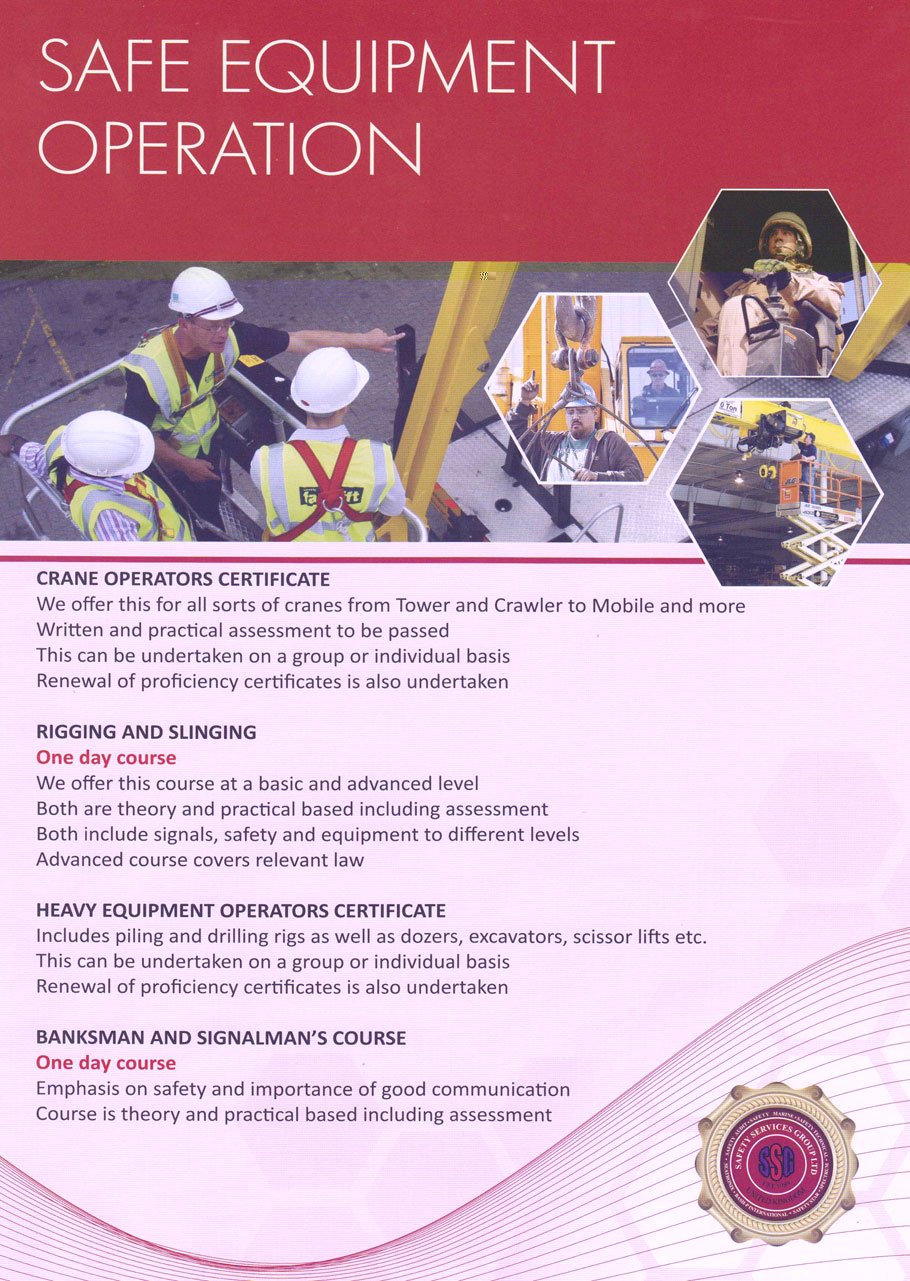
In a world that never stops moving, the heartbeat of any thriving operation isn't just efficiency or innovation—it's safety. More specifically, it’s the meticulous attention to Safe Operation & Setup Practices that truly safeguards your most valuable assets: your people and your productivity. This isn't just about ticking boxes; it's about embedding a proactive mindset into every task, every tool, and every team member.
Think of it this way: every accident prevented, every injury avoided, every near-miss analyzed, contributes not just to human well-being but also to the very bottom line. In an increasingly complex operational landscape, navigating potential hazards requires more than good intentions; it demands clear, actionable, and consistently applied guidelines.
At a Glance: Your Guide to a Safer Workplace
- SOPs aren't just rules; they're lifelines: Safe Operating Procedures (SOPs) are distinct from general workflow instructions, specifically focusing on critical safety measures.
- Benefits abound: Reduce risks, protect employees, cut incident costs, boost consistency, and ensure regulatory compliance.
- Safety is universal: Examples span manufacturing, construction, healthcare, food service, oil & gas, office environments, and logistics.
- A 10-step blueprint: From defining goals to continuous improvement, there's a clear path to developing robust SOPs.
- Overcome hurdles: Address resistance to change, outdated procedures, and training gaps with strategic solutions.
- Embrace digital: Modernize your SOPs for enhanced accessibility, real-time updates, and better data insights.
- Culture is key: Safety isn't a one-off project; it's an ongoing commitment requiring active employee involvement and continuous review.
Why Safety Isn't Just a "Good Idea"—It's Essential
In the professional realm, the term "safety culture" often gets thrown around, but what does it really mean? At its core, it's the shared belief and commitment within an organization that every task can and should be performed safely. This commitment isn't merely a moral imperative; it's a strategic business advantage.
When you invest in robust safe operating procedures, you're not just preventing injuries or saving lives—though those are paramount. You're also bolstering your company's resilience, reputation, and financial health. Think about the hidden costs of an incident: lost productivity, damaged equipment, regulatory fines, legal fees, increased insurance premiums, and the intangible yet significant blow to employee morale. These expenses quickly compound, making the upfront investment in safety look like a bargain.
Implementing clear safety guidelines ensures that tasks are performed consistently, reducing human error and boosting overall operational efficiency. It provides a structured framework for training new employees, integrating them into a safety-conscious environment from day one. Moreover, a well-documented safety program demonstrates your commitment to compliance with industry regulations, safeguarding your organization from penalties and legal challenges. This proactive stance isn't just about avoiding negatives; it fosters an environment where employees feel valued and secure, leading to greater job satisfaction and loyalty.
Beyond the Basics: Understanding Safe Operating Procedures (SOPs)
It's easy to conflate "Standard Operating Procedures" with "Safe Operating Procedures," but there's a crucial distinction. While general SOPs aim for efficiency and consistency in task execution—detailing how to do a job right—Safe Operating Procedures, or SOPs, specifically focus on how to do that job safely. They are the detailed, step-by-step instructions designed to protect employees, minimize risks, and prioritize workforce health above all else.
These aren't vague guidelines or suggestions; they are explicit directives covering safety protocols, emergency actions, and critical preventative measures. From the moment equipment is set up to its daily operation and eventual shutdown, SOPs guide staff through every interaction, ensuring compliance with industry standards and regulations. Their ultimate purpose is to create a predictable, low-risk environment where accidents are not just prevented, but actively designed out of the workflow.
A Tapestry of Safety: Industry-Specific Examples
The beauty—and complexity—of safe operating procedures lies in their tailored nature. What constitutes a critical safety measure in a hospital operating room will look vastly different from a construction site. Yet, the underlying principles of hazard identification and risk mitigation remain constant. Let's explore how various industries implement specialized safe work procedures:
- Manufacturing: Here, the clang of machinery and the whir of automation demand strict protocols. Examples include mandatory pre-use inspections for all machinery, ensuring everything is in working order before production begins. Critically, Lockout/Tagout (LOTO) procedures are paramount during maintenance or servicing to control hazardous energy and prevent accidental startup. And, of course, the consistent use of Personal Protective Equipment (PPE) like gloves, safety glasses, and hearing protection isn't optional; it's the first line of defense.
- Construction: Where dynamic environments and elevated risks are the norm, safety measures are robust. Fall protection is non-negotiable, with workers utilizing harnesses and secure lanyards when working at height. Regular scaffolding inspections on stable ground prevent structural failures, while training in proper lifting techniques significantly reduces musculoskeletal injuries. Comprehensive training on power tools and heavy machinery is also a continuous requirement to ensure skilled and safe operation.
- Healthcare: In environments where human health is paramount, procedures focus on preventing contamination and infection. Critical hand hygiene before and after patient contact is a foundational practice. Strict guidelines govern the proper disposal of medical waste, especially sharps like needles, to prevent needlestick injuries and the spread of pathogens. Furthermore, specialized training with PPE for handling hazardous chemicals ensures staff are protected from exposure to disinfectants, chemotherapy drugs, and other potent substances.
- Food Industry: From farm to fork, food safety is inextricably linked with operational safety. This includes rigorous adherence to proper food handling and storage at correct temperatures to prevent bacterial growth. Regular cleaning and sanitizing of kitchen surfaces and equipment is crucial to avoid cross-contamination. Staff receive continuous training in safe food handling practices, including allergen management, to protect consumers and maintain hygiene standards.
- Oil and Gas: This high-risk industry demands an extreme level of safety vigilance. Procedures for controlling hazardous energy by isolating sources before maintenance are critical to prevent explosions or uncontrolled releases. Fire safety protocols are extensive, requiring fire-retardant clothing, advanced firefighting training, and regular fire drills and inspections to prepare for emergencies in volatile environments.
- Office Environment: Even in seemingly low-risk settings, safety practices are vital. Ergonomic practices, such as adjusting chairs and workstations, prevent long-term strain and repetitive stress injuries. Clear procedures for reporting hazards—like electrical faults, frayed cords, or tripping hazards—ensure prompt resolution. And well-defined emergency evacuation plans, complete with regular drills, guarantee an orderly and safe exit in an unforeseen event.
- Logistics and Warehousing: The movement and storage of goods present unique challenges. Safe operation of forklifts includes mandatory pre-use inspections, certified operator training, and strict adherence to speed limits. Proper stacking of materials prevents toppling accidents, and comprehensive training in manual handling techniques reduces injuries associated with lifting and carrying heavy loads.
Across these diverse fields, the common thread is a proactive commitment to identifying potential dangers and establishing clear, repeatable steps to mitigate them.
Crafting Your Safety Blueprint: A 10-Step Guide to Developing Robust SOPs
Developing effective Safe Operating Procedures isn't a quick fix; it's a methodical process that requires collaboration and dedication. Here's a proven blueprint to build SOPs that truly make a difference:
1. Set Clear Goals
Before you even write a single line, define what you want your SOPs to achieve. Are you aiming to reduce specific types of accidents, ensure full regulatory compliance, or improve the safety onboarding process for new hires? Clear, measurable goals provide direction and allow you to assess the effectiveness of your efforts later.
2. Form a Development Team
Safety is a shared responsibility, and your SOP development team should reflect that. Bring together a cross-functional group including safety managers, supervisors who understand daily operations, and, crucially, frontline workers. These are the individuals who perform the tasks every day; their practical insights are invaluable for identifying real-world hazards and proposing feasible solutions.
3. Conduct a Job Hazard Analysis (JHA)
This is the cornerstone of effective SOP development. Break down each job or task into individual steps. For each step, identify potential hazards—anything that could cause injury or illness. Then, determine how to control or eliminate those hazards. This granular approach ensures no stone is left unturned.
4. Perform a Risk Assessment
Once hazards are identified, not all are equal. Evaluate each identified hazard based on its severity (how bad could the outcome be?) and its likelihood (how probable is it to happen?). This allows you to prioritize risks, focusing your resources on the most significant threats first.
5. Develop the SOP Document
Now, it's time to put pen to paper (or fingers to keyboard). Create a detailed document with clear, concise, step-by-step instructions. Include a list of required tools and materials, specific safety precautions at each step, and clear instructions for what to do in case of an emergency. Don't shy away from visuals—diagrams, photos, or flowcharts can significantly enhance understanding and retention, especially for complex tasks.
6. Gather Stakeholder Feedback
A draft is just that—a draft. Share your proposed SOPs with the employees who will actually use them. Encourage their input on clarity, feasibility, and comprehensiveness. Their practical experience might highlight overlooked steps, potential bottlenecks, or better ways to explain a procedure. This also fosters a sense of ownership, making employees more likely to adhere to the final document.
7. Train Employees
Even the best SOP is useless if employees don't understand it or how to apply it. Conduct comprehensive training sessions. Go beyond simply reading the document aloud; incorporate demonstrations, hands-on practice, and Q&A sessions. Ensure every employee has the opportunity to ask questions and practice the procedures until they are confident and competent.
8. Implement the SOP for a Trial Period
Don't just launch new SOPs company-wide overnight. Roll them out on a trial basis in a specific area or for a particular task. During this period, closely monitor implementation. Observe employees, collect feedback, and be ready to make necessary adjustments based on real-world application. This iterative process allows you to fine-tune procedures before a full rollout.
9. Monitor and Review Regularly
Safety is not a static state. Continuously observe the procedures in practice. Collect data on compliance rates, near-misses, and actual incidents. Periodically review the effectiveness of each SOP. Are they achieving the desired safety outcomes? Are there new hazards to consider? Regular reviews ensure your SOPs remain relevant and effective.
10. Ensure Ongoing Compliance and Improvement
Establish a system for routine audits to verify consistent adherence to SOPs. Create clear channels for employees to report concerns or suggest improvements. Update procedures promptly to reflect changes in regulations, equipment, or operational processes. By consistently reinforcing a culture where safety is prioritized and continuously improved, you build a resilient and hazard-free workplace.
Bumps in the Road: Overcoming Common SOP Challenges
Even with the best intentions, implementing and maintaining robust SOPs isn't always smooth sailing. Organizations frequently encounter several hurdles, but with strategic planning, these can be effectively navigated.
- Resistance to Change: People are creatures of habit. Introducing new procedures, even for safety, can be met with skepticism or outright resistance.
- Strategy: Involve employees early in the development process, giving them a voice and ownership. Clearly communicate the benefits of the new procedures—not just for the company, but for their personal safety. Provide ample, ongoing training and support to ease the transition.
- Keeping Procedures Up-to-Date: Regulations change, equipment evolves, and new best practices emerge. Static SOPs quickly become obsolete and dangerous.
- Strategy: Establish a regular review schedule (e.g., annually or bi-annually) and assign specific team members responsible for updates. Implement a clear version control system to ensure only the most current procedures are in circulation, and all changes are meticulously documented and communicated.
- Integration Issues: New SOPs might clash with existing workflows, software, or operational rhythms, causing friction and confusion.
- Strategy: Design SOPs to align as closely as possible with current workflows, making adoption easier. Make procedures easily accessible through centralized systems, and consider using digital tools that can seamlessly integrate SOPs into daily tasks, perhaps even with automated prompts or checklists.
- Inadequate Training and Awareness: Merely distributing an SOP document isn't enough. If employees aren't properly trained, they won't follow the procedures.
- Strategy: Develop comprehensive training programs utilizing diverse methods: hands-on sessions, engaging visual aids (videos, infographics), e-learning modules, and regular refresher courses. Make training mandatory and assess understanding.
- Lack of Employee Involvement: When employees feel like safety procedures are imposed on them without their input, engagement suffers.
- Strategy: Actively involve employees in the creation, review, and improvement processes. Encourage anonymous feedback mechanisms and genuinely make adjustments based on their practical insights. Recognizing and rewarding safe behaviors can also foster a more participative safety culture.
The Future is Digital: Modernizing Your Safe Operations
In an increasingly connected world, relying solely on paper binders and static documents for your Safe Operating Procedures is like trying to navigate with a paper map when you have GPS. Digitizing your SOPs isn't just a trend; it's a strategic move that fundamentally enhances safety management.
Imagine a scenario where every employee, whether on the factory floor or in a remote field office, has instant access to the most current safety protocols via their tablet or smartphone. Digital platforms ensure enhanced accessibility and consistency, meaning everyone is literally on the same page, eliminating the risk of outdated paper versions circulating.
Beyond access, digitization dramatically improves data collection and analysis. Incidents, near-misses, and compliance checks can be logged in real-time, providing immediate insights for proactive adjustments. This real-time monitoring capability allows safety managers to identify trends, pinpoint weak points, and implement targeted interventions far more rapidly than with manual systems.
Consider how digital tools streamline workflows through automation. Automated notifications can remind employees of upcoming training, required equipment checks, or even trigger specific safety protocols based on real-time data inputs. This reduces the administrative burden and ensures critical actions aren't missed. For instance, integrated systems can flag when equipment like a quiet inverter generator is due for a maintenance check, linking directly to its specific safety and operational SOPs, ensuring all machinery, no matter its function, adheres to its safety lifecycle.
Compliance becomes significantly easier too. Digital platforms allow for quick updates to reflect new regulations or equipment changes, ensuring your procedures are always current. Clear audit trails are automatically generated, simplifying regulatory inspections and demonstrating due diligence. Furthermore, the ability to incorporate multimedia elements—videos, interactive diagrams, 3D models—into digital SOPs drastically improves employee engagement and training effectiveness, making complex procedures easier to understand and retain.
Finally, digitizing SOPs offers tangible time and cost savings. Eliminating paper documents, manual distribution, and filing processes reduces waste and frees up resources. The enhanced communication and collaboration across teams, facilitated by shared digital platforms, further solidify a unified approach to safety.
Building a Culture of Vigilance: Sustaining Your Safety Commitment
Implementing Safe Operating Procedures is a monumental achievement, but the work doesn't end there. True workplace safety is an ongoing journey, a continuous commitment that requires proactive engagement at every level of an organization.
To truly build a resilient safety culture, you must embrace a philosophy of continuous improvement. This means regularly reviewing and updating your SOPs, not just when an incident occurs, but as part of a scheduled, proactive process. New technologies, changes in regulations, and feedback from your frontline teams should all trigger a reassessment of your existing procedures.
Comprehensive and ongoing employee training is the bedrock of this sustained commitment. Safety isn't a "set it and forget it" module. Regular refresher courses, scenario-based drills, and discussions about near-misses keep safety top-of-mind. Empower your employees to be active participants in safety—encourage them to report concerns, suggest improvements, and even stop work if they perceive an unsafe condition. This psychological safety is crucial; it teaches employees that their input is valued and that production never trumps their well-being.
Finally, foster a strong culture of safety where safe behaviors are not just expected but recognized and celebrated. When employees see their proactive safety efforts acknowledged, it reinforces the importance of these practices and encourages others to follow suit. This collective vigilance isn't just about avoiding legal and regulatory headaches; it ensures the well-being of every individual, enhances operational efficiency, and ultimately contributes to the long-term success and reputation of your organization. Make safety a shared value, and watch your workplace transform.