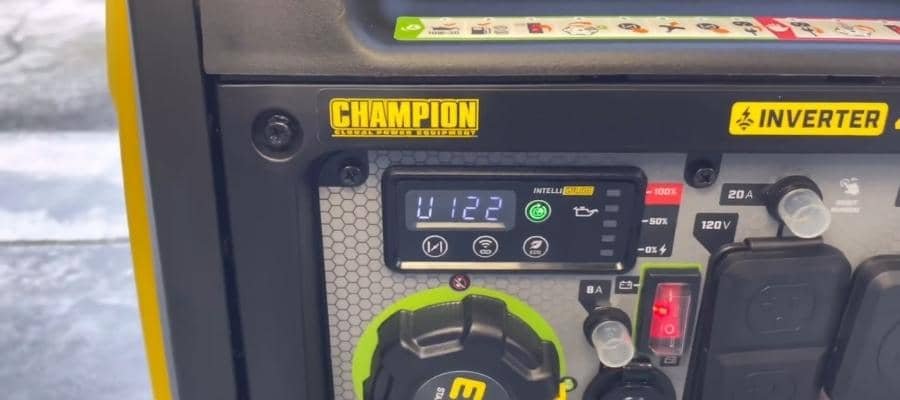
Few things disrupt the tranquility of a serene campsite or a quiet backyard gathering more than the roar of a traditional portable generator. For years, portable power meant a trade-off: convenience at the cost of peace. But today, the landscape has fundamentally shifted with the rise of Understanding Quiet Inverter Generators. These sophisticated powerhouses deliver the electricity you need without the jarring noise, making them a game-changer for anyone seeking a more harmonious experience.
Imagine powering your RV's AC unit, charging sensitive electronics, or running essential home appliances during an outage—all while enjoying conversation, bird song, or simply the gentle hum of nature. That's the promise of a quiet inverter generator, and it's a promise they consistently deliver.
At a Glance: Why Quiet Inverter Generators Stand Out
- Whisper-Quiet Operation: Significantly quieter than conventional generators, often no louder than a normal conversation.
- Clean, Stable Power: Safely powers sensitive electronics like laptops, smartphones, and medical devices.
- Fuel Efficient: Variable engine speed means less fuel consumed, especially under light loads.
- Compact & Portable: Generally lighter and easier to transport than traditional models.
- Versatile Applications: Ideal for camping, RVs, tailgating, home backup, and outdoor events.
- Parallel Capability: Link two units together for double the power output when needed.
The Roaring Difference: Why Traditional Generators Are So Loud
To truly appreciate the quiet revolution, it helps to understand why conventional generators are such noisemakers. These workhorses are built with a single-minded purpose: to generate power. To maintain a steady 60 Hertz (Hz) frequency, which is necessary for most electrical devices, a conventional generator's engine must run at a constant, high speed—typically around 3,600 revolutions per minute (RPM).
This relentless, high-speed operation, regardless of how much power is actually being drawn, creates a significant amount of mechanical noise. Think of it like driving your car on the highway at full throttle, even when you only need to go 30 mph. The result? Noise levels often between 60-70 decibels (dB) at 23 feet, and they can peak at an ear-splitting 100 dB right at the unit. For context, 60-70 dB is comparable to a loud conversation or a running lawnmower—hardly conducive to a peaceful weekend.
Beyond the raw volume, the "quality" of power from conventional generators can also be an issue. Their output often contains higher levels of Total Harmonic Distortion (THD), which refers to irregularities in the electrical sine wave. While older, less sensitive appliances might tolerate this "dirty" power, modern electronics are far more delicate and susceptible to damage from unstable voltage and frequency.
The Quiet Revolution: How Inverter Generators Engineer Silence
Inverter generators tackle both the noise and power quality problems head-on, thanks to a few ingenious technological advancements. Their design represents a fundamental rethinking of portable power generation.
Variable Speed for a Quieter Life
The most significant difference lies in the engine. Unlike their conventional counterparts, inverter generators don't run their engines at a constant, maximum speed. Instead, they employ a variable speed engine with automatic throttle control. This means the engine only runs as fast as needed to meet the current electrical demand. If you're just charging a phone, the engine idles quietly; if you fire up a microwave, it revs up just enough to handle the load, then settles back down. This "on-demand" operation dramatically reduces mechanical noise and slashes fuel consumption, particularly under light loads.
This variable speed capability is directly linked to the innovative power conversion process. Traditional generators produce AC power directly from the alternator. Inverter generators, however, take a three-step approach:
- AC to DC: The raw, high-frequency AC power produced by the alternator is first converted into DC (direct current).
- DC to AC (Cleaned Up): An advanced electronic inverter module then takes this DC power and converts it back into clean, stable AC power. This module essentially "rebuilds" the electrical waveform, producing a pure sine wave that mimics grid power.
This sophisticated conversion process allows the engine to decouple its speed from the required output frequency (60 Hz). The inverter module ensures the final AC output is consistently perfect, regardless of engine speed.
More Than Just Engine Speed: Design for Serenity
Beyond the engine and inverter technology, quiet inverter generators are meticulously designed with noise reduction in mind:
- Fully Enclosed Acoustic Casings: The engine and other noisy components are housed within robust, sound-dampening enclosures. These casings are often lined with acoustic materials that absorb sound waves.
- Specialized Mufflers: Much like the muffler on your car, these generators feature advanced exhaust systems designed to quiet the engine's roar. Some even incorporate multi-chamber designs for superior noise reduction.
- Vibration Dampening Technology: Rubber mounts and other dampening materials are strategically placed to minimize vibrations, which are another significant source of noise. Reducing vibration not only makes the generator quieter but also prolongs its lifespan.
The combined effect of these innovations is remarkable. Most inverter generators, especially those in the 1,000 to 2,000-watt range, operate between 50-60 dB. To put this in perspective, 50-60 dB is comparable to a normal conversation, a humming refrigerator, or a central air conditioning unit. This 10-20 dB reduction compared to conventional models might not sound like much on paper, but it's massive in reality: a 10 dB increase is perceived by the human ear as a doubling of loudness. So, a 10-20 dB reduction makes them feel exponentially quieter.
The "Clean Power" Advantage: Protecting Your Precious Tech
Beyond quietness, the electronic inverter module provides another critical benefit: clean power. As mentioned, traditional generators can produce power with high Total Harmonic Distortion (THD). This means the electrical waveform isn't a smooth, perfect sine wave but rather a jagged, inconsistent one.
Inverter generators, thanks to their AC-DC-AC conversion, produce a pure sine wave with very low THD—typically less than 3%. This "clean" power is essential for sensitive electronics. Think of all the devices we rely on daily:
- Computers & Laptops: Power surges or inconsistent voltage can damage internal components.
- Smartphones & Tablets: Protects charging circuits and battery health.
- Medical Devices: Crucial for reliability of CPAP machines, oxygen concentrators, and other life-sustaining equipment.
- Smart TVs & Home Entertainment Systems: Ensures proper operation and prevents damage to delicate circuitry.
Using an inverter generator means you can confidently plug in your most cherished and essential devices without fear of damage, ensuring they run as smoothly as they would from your home's wall outlet.
Where Quiet Power Shines: Key Applications and Who Benefits Most
The unique blend of quiet operation, clean power, and fuel efficiency makes inverter generators ideal for a wide range of applications where noise and power quality are paramount.
1. The Great Outdoors: Camping & RV Life
This is perhaps the quintessential use for an inverter generator. Imagine parking your RV in a pristine nature spot or setting up camp in a serene forest. With an inverter generator, you can power your lights, charge devices, run a small fan, or even operate your RV's air conditioning unit (with higher wattage models) without disturbing fellow campers or the local wildlife. The ability to enjoy modern conveniences while still immersing yourself in nature's quiet beauty is truly transformative.
2. Peaceful Home Backup Power
While not designed to power an entire house, many inverter generators are perfectly capable of handling essential circuits during a power outage. Think lights, a refrigerator, a few charging stations, and perhaps a well pump. Their quiet operation means you won't annoy your neighbors or yourself during prolonged outages, allowing for a much more comfortable and less stressful experience. For critical home needs, you'll want to explore quiet inverter generators that offer sufficient wattage and reliable performance.
3. Tailgating & Outdoor Events
Whether it's a pre-game party, a family reunion in the park, or a local craft fair, inverter generators provide discreet power for blenders, sound systems, lights, and food warmers. Their low noise output respects local noise ordinances and keeps the focus on the fun, not the generator's hum. Food truck operators, for instance, find them invaluable for powering their equipment without alienating customers with excessive noise or fumes.
4. Work in Quiet Zones
For contractors or tradespeople working in residential areas, schools, or hospitals, conventional generators can be a non-starter. Inverter generators provide the necessary power for tools and equipment while minimizing disruption to surrounding environments. This can be crucial for maintaining good community relations and adhering to job site regulations.
The Contrast: Where Conventional Generators Still Rule
It's worth noting that conventional generators still have their place. For remote construction sites, large-scale agricultural operations, or industrial settings where sheer power output is the primary concern and noise is less regulated, a robust, high-wattage conventional generator often makes more sense. They typically offer significantly higher power output at a lower upfront cost. However, for almost every scenario where peace and quiet are valued, an inverter generator is the superior choice.
Power, Portability, and Investment: What to Expect
Inverter generators offer a compelling package of features, but it's important to understand their typical power output and cost considerations.
Power Output: Scalable Solutions
While generally offering lower maximum power output than the largest conventional models, inverter generators come in a wide range of sizes, from small 1,000-watt units perfect for charging phones and running a few lights, up to 7,000-watt-plus units capable of backing up more substantial household loads.
A key feature that enhances their versatility is parallel capability. Many inverter generators allow you to link two identical units together using a special cable, effectively doubling your available wattage. This means you can run a single, smaller, quieter unit for light loads, and then combine it with a second unit when you need a surge of power for something like an RV air conditioner. This flexibility is a significant advantage, allowing you to scale your power based on your needs without always hauling around a massive generator.
Cost vs. Value: A Sound Investment
It's true: inverter generators typically carry a higher price tag than conventional models of comparable wattage. This increased cost reflects the advanced technology, sophisticated electronics, and superior engineering required for their quiet operation and clean power output.
However, many users find the investment well worth it due to:
- Peace of Mind: The ability to enjoy quiet environments and protect sensitive electronics.
- Fuel Efficiency: Lower fuel consumption often offsets some of the initial cost over the generator's lifespan.
- Portability: Generally lighter and more compact, making them easier to transport and store.
- Versatility: Suitable for a broader range of applications.
When considering the total value—which includes not just the purchase price, but also fuel savings, the avoided cost of damaged electronics, and the priceless benefit of peace and quiet—inverter generators often prove to be a wise, long-term investment.
Choosing Your Quiet Companion: Key Decision Factors
Selecting the right quiet inverter generator involves weighing a few critical factors to ensure it perfectly matches your needs.
1. Determine Your Power Requirements
This is step one. List all the appliances and devices you plan to power simultaneously. Note their starting (surge) wattage and running (continuous) wattage. The generator's continuous wattage should exceed the total running wattage of your devices, and its surge wattage needs to cover the highest starting wattage of any single item (typically appliances with motors, like refrigerators or air conditioners). Remember, it's always better to have a little extra capacity than to run your generator at its absolute maximum continuously.
2. Consider Portability and Weight
If you plan to move your generator frequently—say, from your garage to your RV, or from campsite to campsite—its weight and design are crucial. Smaller inverter generators are often designed with built-in handles for easy carrying. Larger models may feature wheels and telescoping handles to aid transport.
3. Fuel Type and Runtime
Most inverter generators run on gasoline, but some dual-fuel models can operate on both gasoline and propane. Propane offers longer storage stability and burns cleaner, while gasoline is more widely available. Consider the fuel tank size relative to your desired runtime. For extended use, a larger tank or access to additional fuel cans will be necessary.
4. Key Features and Conveniences
Modern inverter generators offer a host of features that can enhance user experience:
- Electric Start: Push-button starting, often paired with a recoil start for backup.
- Remote Start: Start or stop your generator from a distance.
- Fuel Gauge: Essential for monitoring fuel levels.
- Low Oil Shutdown: Automatically turns off the generator to prevent engine damage if oil levels are too low.
- Eco-Mode/Economy Mode: Optimizes engine speed for maximum fuel efficiency under light loads.
- USB Ports: Directly charge small electronics.
- Digital Display: Provides real-time information on power output, fuel level, and maintenance alerts.
Keeping Your Generator Humming: Essential Maintenance Tips
Like any engine-driven equipment, your quiet inverter generator requires regular maintenance to ensure reliable, long-lasting performance. Adhering to these simple practices will keep your unit in top shape:
- Change the Oil Regularly: This is paramount. The first oil change is often recommended after a very short initial break-in period (e.g., 20 hours), then every 100 hours or annually thereafter. Always use the manufacturer-recommended oil type and viscosity.
- Clean or Replace the Air Filter: A clean air filter ensures proper airflow to the engine, optimizing performance and fuel efficiency. Check it frequently and clean or replace as needed, especially if operating in dusty conditions.
- Use Fresh, Stabilized Fuel: Stale gasoline can cause significant issues, clogging carburetors and fuel lines. Always use fresh fuel, and if you plan to store the generator for more than a month, use a fuel stabilizer. Better yet, run the carburetor dry if storing for longer periods.
- Run It Monthly: Start your generator at least once a month and let it run for 15-20 minutes under a light load. This circulates oil, lubricates components, prevents seals from drying out, and ensures easier starting when you actually need it.
- Check Spark Plugs: Inspect and clean or replace the spark plug periodically. A fouled spark plug can lead to hard starting and poor engine performance.
- Store Properly: When not in use, store your generator in a clean, dry place, protected from the elements.
Consistent maintenance not only extends the life of your generator but also ensures it performs optimally and quietly when you need it most.
Common Questions and Misconceptions About Inverter Generators
Even with their growing popularity, a few questions and myths persist about quiet inverter generators. Let's clear the air.
Are Inverter Generators Silent?
No, they are not silent. No engine-driven generator is. However, they are significantly quieter than conventional models. While a traditional generator might drown out conversation, an inverter generator typically allows for normal conversation nearby. The sound is often described as a soft hum rather than a loud roar.
Can I Use Automotive Oil in My Generator?
Always consult your generator's owner's manual for the specific oil type and viscosity recommended. While some smaller generators might tolerate automotive oil, many require specific small engine oils designed for air-cooled engines. Using the wrong oil can void your warranty and lead to premature engine wear.
Are They Harder to Maintain Due to Their Advanced Technology?
Not necessarily. Basic maintenance—oil changes, air filter cleaning, fuel management—is quite similar to traditional generators. The electronic inverter module itself is a sealed unit that typically requires no user maintenance. In fact, due to variable speed operation, some components might even experience less wear over time compared to constant high-RPM conventional generators.
Can I Run an Inverter Generator Indoors?
ABSOLUTELY NOT. This is a critical safety warning that applies to all gasoline-powered generators, including inverter models. Generators produce carbon monoxide (CO), an odorless, colorless, and deadly gas. Running a generator indoors, in a garage, or even too close to a window can lead to fatal carbon monoxide poisoning. Always operate generators outdoors, in a well-ventilated area, at least 20 feet away from your home, and ensure the exhaust is directed away from any doors or windows. Install carbon monoxide detectors in your home as an added precaution.
The Future of Portable Power: Smarter, Cleaner, Quieter
The evolution of inverter generator technology continues to push boundaries. We're seeing more advanced fuel injection systems for even greater efficiency, app-based monitoring and control, and integration with smart home systems. As demand for clean, quiet, and reliable portable power grows, inverter generators will undoubtedly remain at the forefront, continuing to refine their ability to deliver power without compromise.
Your Next Step Towards Peaceful Portable Power
Choosing the right quiet inverter generator means investing in convenience, reliability, and most importantly, peace. Whether you're an avid camper, an RVer, a responsible homeowner preparing for outages, or someone who simply appreciates the serenity of a quiet outdoor event, an inverter generator offers a superior experience.
Ready to discover the quiet revolution for yourself? Take a closer look at the options available and find the perfect match for your needs. The sound of silence, powered by innovation, awaits.